News & Disclosures
What is Antimony?
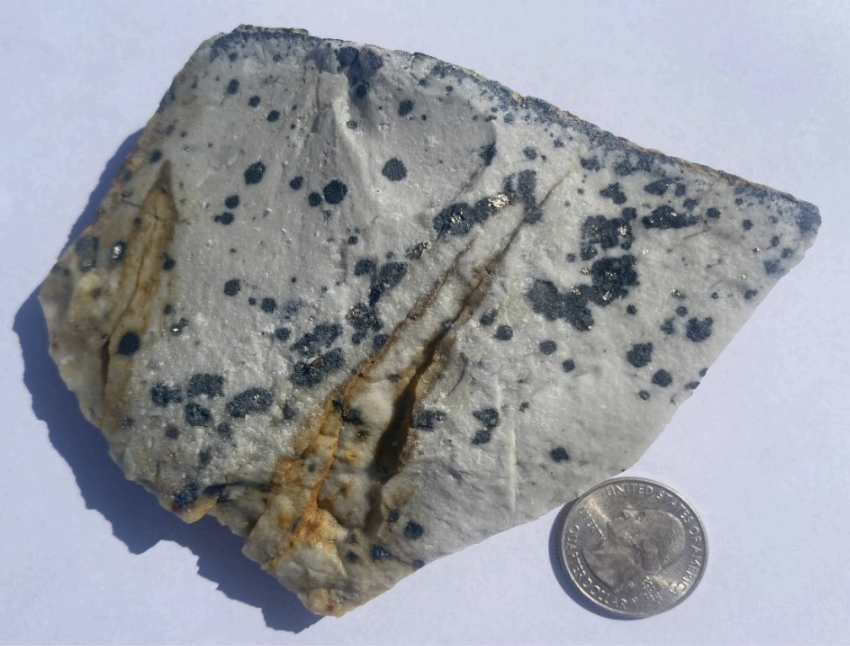
Antimony is a chemical element with the symbol Sb (from Latin: stibium) and atomic number 51. It is a lustrous gray metalloid, found in nature mainly as the sulfide mineral stibnite (Sb₂S₃).
Properties
Uses and Applications
-
Alloys: Antimony is used to harden and strengthen other metals. It is commonly alloyed with lead to improve the hardness and strength of products like batteries, bullets, and cable sheathing.
-
Flame Retardants: Antimony trioxide (Sb₂O₃) is a crucial component in flame-retardant formulations for textiles, plastics, and electronics, helping prevent the spread of fires.
-
Electronics: Used in the semiconductor industry to make diodes, infrared detectors, and Hall-effect devices.
-
Medicine: Certain antimony compounds are used in medications to treat parasitic infections, such as leishmaniasis.
-
Glass and Ceramics: Antimony compounds are used to decolorize glass and as an opacifier in ceramics and enamels.
-
Pigments: Antimony is used in the production of yellow pigments.
Importance
-
Industrial Applications: The hardness and flame-retardant properties of antimony compounds make them indispensable in various industries.
-
Economic Value: Antimony is considered a critical mineral due to its essential role in manufacturing and its limited availability. Its supply is concentrated in a few countries, making it strategically important.
China has consistently maintained a prominent role in the production of antimony, representing around 88% of the total global production. Conversely, China is currently witnessing a decrease in domestic mining output. However, it continues to exert significant control over the processing of concentrates, a substantial portion of which originates from artisanal sources in developing nations. Due to its dominant position, antimony is considered crucial in all major rankings (US, EU, Canada, JOGMEC, UK, and Australia) assessing the criticality of metal supply.
-
Physical Characteristics: Antimony is a brittle, silvery, shiny metalloid.
-
Chemical Characteristics: It can be found in different oxidation states, commonly +3 and +5, and forms various compounds.
-
Occurrence: Naturally occurs as the mineral stibnite (Sb₂S₃) and in small quantities in ores of copper, lead, and silver.
the history
Antimony ore was discovered in Nevada in the early 1860s and has since been mined sporadically in 12 of the state's 17 counties. Although numerous shipments were made in the 1870s and 1880s, most subsequent production has come during wartime, when prices have risen because of reduced imports. Only small amounts of antimony have been produced from Nevada mines in recent years. Each war boom has brought to Nevada a sudden influx of prospectors looking for antimony deposits. As a result of the increased demand for antimony during World War II and the Korean War and because of the critical shortage after the Korean War of selenium, which occurs with antimony, it became apparent that, in order to be better able to meet similar emergencies in the future, it was necessary to determine the antimony resources of the state.
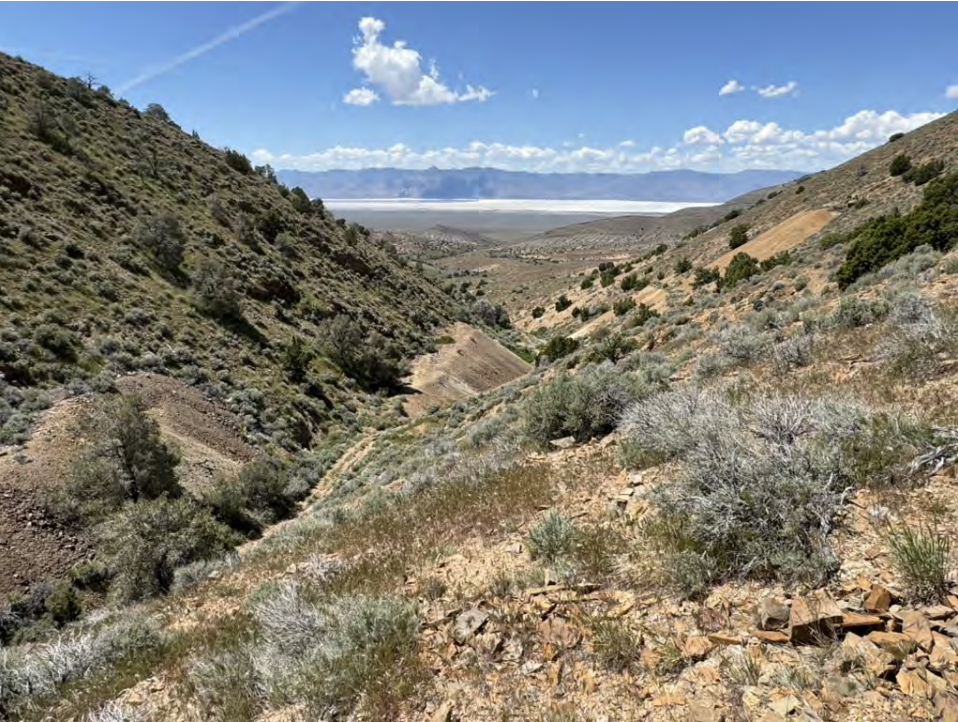
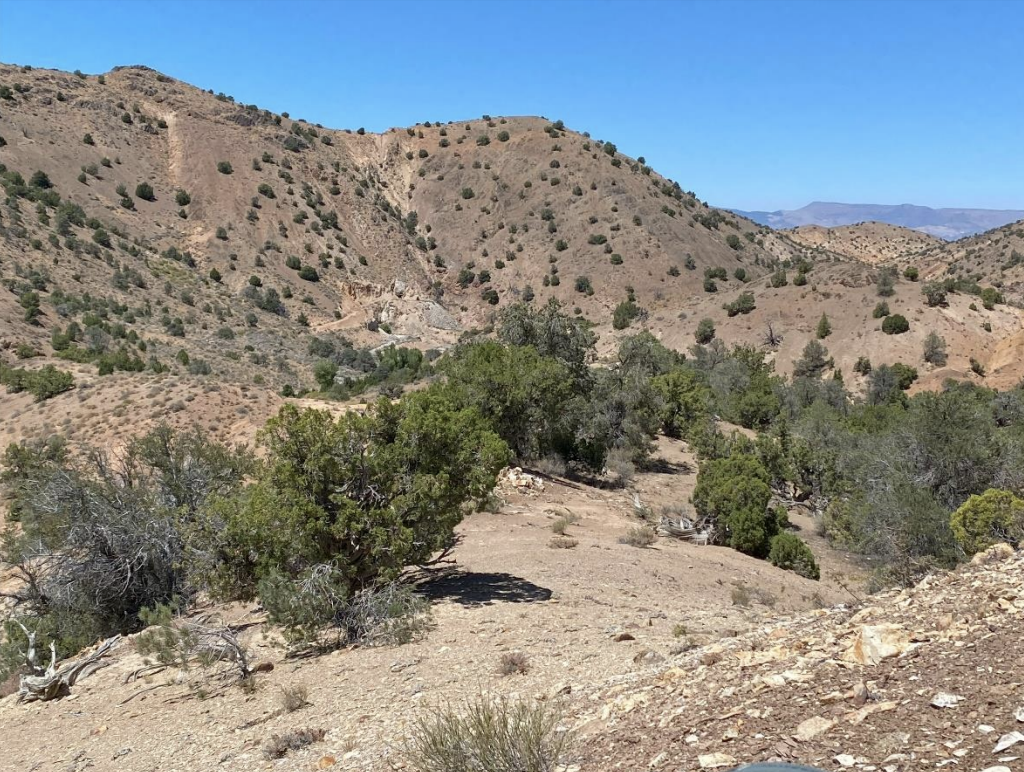
Bernice was a mining district located in Churchill County, Nevada, that was also known as Alamo, Casket, Salina, and Salinas. Supposedly, it was named for a miner’s sweetheart. Silver mining started as early as 1863 on the west flank of the Clain Alpine Range, but a camp was not established until 1882, after the mining district was discovered by Wallace Goodell and named Bernice in 1881. W. W. Van Reed was the first to ship antimony ore from the district, his product going to the old Star & Mathews smelter in San Francisco, according to a letter from J. T. Reid, while the last important shipments were made by Sanders & Young from 1893 to 1896. W. W. Williams worked in a group of silver mines in the eighties and nineties, erecting a 10-stamp mill and roaster to treat the ore. A little antimony ore containing silver was shipped from the district in 1906.
Check out these
Technical Reports